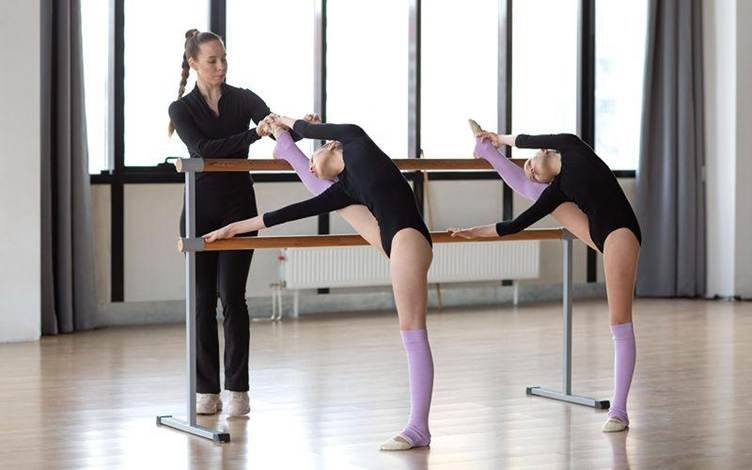
Whether someone dreams of performing ballet on stage or wishes to build confidence, a structured foundation plays a major role in their growth. This is where the Royal Academy of Dance, a globally recognised ballet education organisation, becomes a meaningful part of a dancer’s journey. Many studios adopt or integrate the RAD ballet framework to help students develop consistent technique, performance skills, and artistic expression. Parents who want guidance often search for ways to understand how this framework works and how it can support their child.
A Familiar Look at the Royal Academy of Dance Framework
The Royal Academy of Dance has guided countless dancers through a structured and progressive path. It offers a syllabus that builds from basic positions to refined artistry. Students begin with graded levels where they learn posture, balance, musicality, and coordination. As they advance, more demanding movements appear, helping them explore performance quality and technical refinement.
Parents often appreciate how clear the progression is. Consistent assessment helps teachers understand a student’s needs and allows learners to grow at their own pace. Many dance schools that use the RAD ballet approach emphasise patience, discipline, and joy, ensuring that students focus on passing exams and nurturing a positive relationship with dance.
Understanding the Annual Ballet RAD Rhythm
Looking at ballet development through the lens of an entire year offers a helpful perspective. Younger students often spend the first part of the year reviewing fundamentals, ensuring their bodies and minds feel prepared. Mid-year typically becomes a period of skill-building where jumps, turns, and combinations grow more complex. By the latter months, students start polishing exams or performance material.
Reviewing an annual cycle also helps parents recognise progress in real time. A child who struggled with simple footwork in January may execute it confidently by June. Teachers often evaluate growth through stamina, control, musical awareness, and movement clarity. These milestones matter as they shape long-term development.
Studios that incorporate elements of the Royal Academy of Dance system often encourage gradual improvement rather than quick advancement. This aligns with how structured, paced learning supports injury prevention and long-term confidence. This reinforces the importance of steady progression throughout the year.
Tips for Ballet Students Following the RAD Pathway
Maintaining well-being is an essential part of any dancer’s routine. While ballet trains the body, it also requires mental stamina, emotional resilience, and consistent physical care. This becomes especially important during exam preparations or performance months.
One helpful practice is to give the body time to rest between intense training sessions. Rest supports muscle recovery, improves coordination, and helps with learning new movements. Alongside this, staying hydrated and maintaining balanced nutrition allows dancers to keep their energy levels stable during classes and rehearsals.
Another self-care practice is journaling. Students can note what they achieved in class, what felt challenging, and what they want to improve next time. This strengthens self-awareness and allows dancers to build a positive connection with their progress.
Stretching outside of class also keeps the body flexible. However, gentle mobility work tends to be safer than forcing flexibility. Many teachers suggest dynamic warm-ups before practice and slower stretches afterwards. This helps prevent strain while supporting long-term mobility.
Finally, emotional care is just as vital. Students sometimes feel pressure during exams or year-end showcases, so maintaining open communication with teachers and parents can help them stay motivated and encouraged. Ballet is as much a mental journey as it is a physical one.
Why Parents Value the Structure of the Royal Academy of Dance
Parents choosing ballet programmes often look for clarity, safety, and progression. The Royal Academy of Dance structure offers these elements through levels, assessments, and technique-focused learning. Having predictable goals allows families to support their children throughout the year, whether through practice schedules, exam preparation, or performance planning.
The RAD ballet system also encourages versatility. While classical technique forms the base, students learn musical responsiveness and expressive qualities that translate to confidence in school presentations and group activities. Dance participation enhances self-esteem, motor skills, and discipline among young learners. When parents observe their children gaining confidence, improving posture, or discovering the joy of performance, they recognise the value of a guided framework.
A Structured, Supportive Path for Growing Dancers
Ballet becomes more meaningful when students feel supported through a clear, encouraging journey. Using the structure of the Royal Academy of Dance and the RAD ballet pathway allows dancers to grow gradually, build confidence, and maintain their well-being. With thoughtful guidance, steady practice, and self-care habits, young dancers gain skills that extend far beyond the studio. For many families, this structured approach is a way to help children discover their artistic voice and strengthen their discipline step by step, year after year.
Ready to support your child’s dance journey? Start with AQ Dance today.