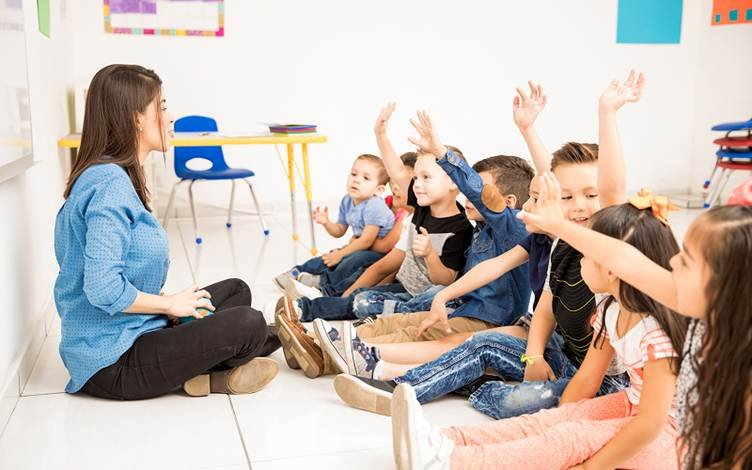
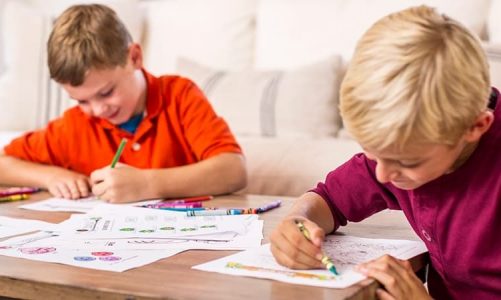
Language growth in Nursery 2 shows up in ordinary moments outside formal lessons. Conversations during play, short group discussions, and daily routines all shape how children begin expressing ideas. Families often notice that language use feels practical and lived-in, not rehearsed, when exploring a Montessori kindergarten in Singapore.
At this stage, words develop through use. Children listen, respond, repeat, and adapt. Communication functions as a daily tool as part of everyday classroom life in the nursery 2 curriculum in Singapore.
How Everyday Talk Builds Language Skills
Conversation flows throughout the school day. Teachers ask open questions, comment on actions, and respond with intention. Steady back-and-forth expands vocabulary without turning speech into a task.
Clear patterns shape early language development. When instructions, transitions, and reminders follow familiar phrasing, children begin recognising structure in spoken language. Consistent language cues help children follow and respond with confidence across many classrooms at a preschool in River Valley, Singapore.
Stories and Songs as Language Anchors
Stories and songs play a central role in language exposure. Repeated books allow children to predict words and phrases, while music introduces rhythm, tone, and sequencing.
Educators use familiar stories to encourage participation across the nursery 2 curriculum in Singapore. Children finish sentences, mimic expressions, and retell simple sequences in their own words. Shared moments encourage listening and expressive skills to develop side by side.
Group Interaction and Turn-Taking
Language develops through interaction with peers. Group activities encourage children to wait, listen, and respond appropriately. Short group sessions make space for voices without overwhelming attention spans.
Teachers guide discussion without dominating it in Montessori kindergarten in Singapore settings. The approach allows children to practise speaking in context, adjusting volume, tone, and timing as social awareness grows.
Practical Vocabulary Through Daily Routines
Daily tasks introduce useful language. Snack discussions, clean-up routines, and preparation for outdoor play all bring new words into use. Vocabulary tied to real actions tends to stick.
Actions and objects are intentionally named during routine moments across classrooms at a preschool in River Valley, Singapore. Repeated naming builds clarity and helps children link words with meaning through real experience.
Listening as an Active Language Skill
Listening forms the base of language use. Children learn by observing conversations, following instructions, and responding to questions. Strong listening skills guide later spoken and written communication.
Clear verbal cues and calm classroom pacing help children stay engaged across the nursery 2 curriculum in Singapore. Predictable speech patterns support comprehension and encourage confident responses over time.
How Montessori Environments Shape Speech
Room layout and material choice influence communication. Calm spaces reduce background noise, allowing speech to stand out. Defined activity areas naturally prompt specific language tied to tasks.
Classrooms designed under the Montessori kindergarten in Singapore practices invite purposeful talk. Children ask for materials, describe actions, and negotiate shared space, all of which strengthen language through use rather than instruction.
Noticing Progress Without Pressure
Language growth appears gradually. Longer sentences, clearer pronunciation, and improved confidence mark steady progress. Development rates vary, and comparison rarely reflects individual experience.
Educators track language use through observation instead of formal testing at a preschool in River Valley, Singapore. Such practices keep guidance responsive and suited to each child. Everyday notes, brief check-ins, and regular interaction give teachers a clearer picture of how language unfolds over time.
Supporting Language Beyond the Classroom
Consistency between school and home strengthens communication skills. Shared routines, regular conversations, and simple storytelling reinforce what children experience during the day.
When adults model clear speech and attentive listening, children respond in kind. Language grows best when it feels useful, familiar, and connected across environments. Contact Brighton Montessori to discuss how thoughtful classroom practices nurture steady language development within a balanced Nursery 2 programme.