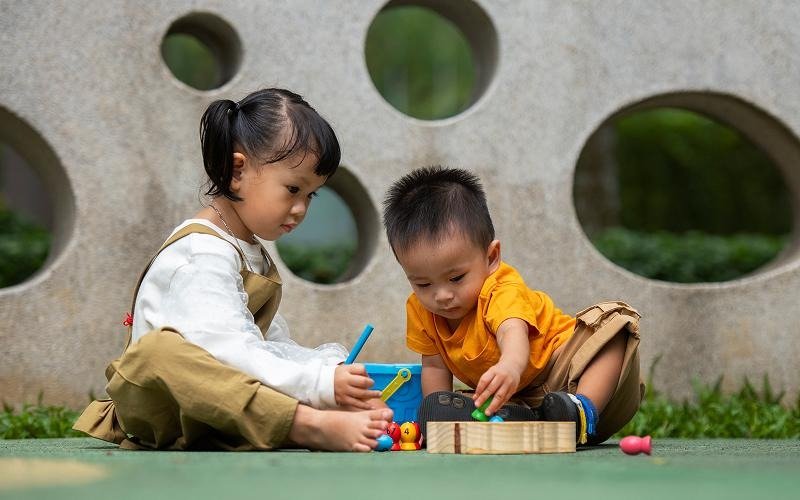
Preschoolers absorb languages with an ease adults can only envy. In Singapore, where bilingual learning is an integral part of daily life, many parents seek ways to introduce Chinese in a way that feels natural, calm, and genuinely enjoyable. A trusted enrichment centre in Singapore provides that comforting structure, less pressure, more encouragement, and plenty of space for children to learn at their own pace. When a child joins a Chinese enrichment class for preschool, you see more than vocabulary building. You see curiosity surfacing, confidence forming, and communication taking shape in small but meaningful moments.
1. Building Early Confidence Through Gentle Exposure
Confidence at this age grows quietly. A preschooler who hesitates with Chinese words at home starts repeating phrases during class without being prompted. The environment helps. In a Chinese enrichment class for preschool, lessons feel closer to guided play than formal study. Teachers repeat words in everyday scenarios, switch between tones with ease, and encourage children to join in without worrying about accuracy. Little by little, children speak up more. Some start using new terms during snack time; others hum Mandarin songs on the way home. These small anchors matter, especially for children needing structured exposure to language in a calm, steady rhythm. This foundation later supports children as they progress towards Chinese tuition for primary school, where confidence plays a larger role in classroom participation.
2. Strengthening Listening and Speaking Skills Through Routine Interaction
Preschoolers respond well to routines, and enrichment classes build on that. Supported by consistent lesson formats and familiar vocabulary patterns, children settle comfortably into the flow. They listen more closely when they know what comes next. Activities alternate quickly, story moments, short instructions, and interactive games, yet the variety keeps them alert without overwhelming them. Because the groups tend to be small, teachers watch body language closely and shift approaches when needed. Over time, the classroom becomes a place where speaking Mandarin feels natural rather than rehearsed. These early listening and speaking habits create a language foundation that stays with them as they enter formal schooling, reducing adjustment stress when transitioning into Chinese tuition for primary school, where comprehension and verbal response become more structured.
3. Encouraging Cultural Awareness in a Warm, Age-Appropriate Way
Culture is not taught but absorbed. In a trusted enrichment centre in Singapore, lessons introduce Chinese culture with lightness: festive crafts, traditional children’s rhymes, and familiar stories retold with bright illustrations. The aim is not mastery; it’s comfort. Children learn why lanterns glow during certain celebrations or why specific phrases appear during New Year greetings. They recognise symbols long before they understand deeper meanings. This awareness grows gently, shaped by exposure rather than memorisation. Parents notice it at home: children pointing at decorations and naming them or asking simple questions about holidays. With each spark of curiosity, the cultural connection strengthens.
4. Developing Learning Habits That Support Long-Term Academic Growth
Healthy academic habits start far earlier than most people assume. When children join a Chinese enrichment class for preschool, they practise routines that extend beyond language learning. Sitting for short periods, participating in group activities, following multi-step instructions, and approaching tasks with focus—these become part of their rhythm. The class environment supports independence. Children place their materials neatly, attempt new activities with minimal prompting, and learn to wait patiently for their turn. These habits translate smoothly into primary school readiness. Instead of adjusting abruptly to structure, they move into it naturally because it already feels familiar, creating a smoother pathway into Chinese tuition for primary school without overwhelming shifts in learning expectations.
5. Creating a Supportive Learning Community for Both Parents and Children
Parents benefit, too. An enrichment centre in Singapore becomes a small community where caregivers exchange tips, share concerns, and compare progress in a friendly, grounded way. Teachers often update parents with brief notes or observations—little milestones that bring reassurance. Children, meanwhile, form their own social circles. They mimic each other’s speech, practise greetings, and pick up conversational phrases simply by being around peers. Learning becomes communal rather than solitary. Everyone grows together, and that sense of shared experience makes the journey less intimidating for young learners still navigating new environments.
Conclusion: A Strong Start That Shapes Future Learning
When a child feels safe, supported, and excited about learning Chinese, progress becomes a natural by-product. A Chinese enrichment class for preschool blends structure with warmth, offering a space where language grows alongside confidence, curiosity, and shared experiences. For parents seeking a thoughtful, enriching start to bilingual learning, a trusted enrichment centre in Singapore delivers exactly that: a steady support system for early development.If you want a tailored, supportive experience that strengthens your child’s language journey, contact LingoAce for private tutoring in Singapore and discover how personalised guidance can enrich your child’s learning path.